When Should You Introduce Your Child to Swimming?
Swimming is a life skill that provides children with the confidence and ability to enjoy water safely. Introducing your child to swimming at an early age can significantly benefit their physical and mental development. Studies have shown that children who start swim lessons early are more likely to become proficient swimmers. This proficiency not only offers safety benefits but also enhances their enjoyment of water-related activities.
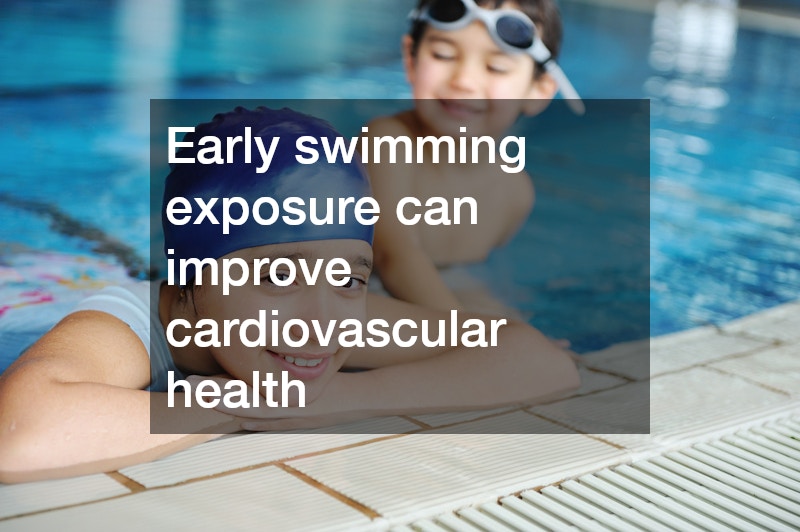
Early swimming exposure can improve cardiovascular health, increase lung capacity, and enhance motor skills. In addition to physical benefits, swimming also promotes cognitive development by fostering listening skills and following instructions.
Furthermore, swimming is a low-impact activity that can be an excellent start to a lifelong habit of staying active.
By starting early, children are also less likely to develop a fear of water, making them more comfortable in aquatic environments. Enrolling in programs like a summer camp for swimming can provide a structured and fun introduction to the sport. These camps often offer lessons designed to cater to a variety of skill levels and ages, ensuring that each child progresses at a comfortable pace.
Finding the Right Age for Swimming Introduction
Determining the right age to introduce your child to swimming depends on various factors, including their comfort levels with water and development stage. Experts generally recommend starting swim lessons as early as six months, a time when parent-and-child classes focus on getting comfortable with water and basic floating. For many children, toddlerhood presents the ideal age range to start more formal lessons.
Some swimming programs offer classes specifically for infants and toddlers, emphasizing water safety and familiarization. If you decide to enroll your child in lessons at a young age, make sure the instructors are trained to teach children and are focused on fun, engaging methods. Additionally, it’s essential that any pool facility provides safe, clean water, and meets high standards of hygiene and safety.
Remember that every child is different. While some kids may take to the water like a fish, others might need more time to adjust. It’s crucial to respect your child’s pace and not to rush them into the process. Summer camps for swimming provide a seasonal opportunity to immerse young learners in focused lessons that combine skill-building with enjoyable activities, emphasizing the joy of swimming without pressure.
Choosing the Right Swim Program
When selecting a swim program for your child, consider factors such as instructors’ qualifications, class size, and flexibility of session times. A good swim program should prioritize safety and learning, providing an encouraging atmosphere where your child can thrive. Many parents find that summer camps for swimming offer an ideal environment, combining fun with learning.
Look for programs that have a solid curriculum and a progression that aligns with your child’s individual skill level. The program should also include assessments to track progress, ensuring that children are moved to more advanced levels when they are ready. A small class size allows for more personalized attention, which can be critical for boosting a child’s confidence in the water.
Additionally, the swim program should instill water safety practices beside just swimming techniques. Learning how to be safe near water is an invaluable skill that can help prevent accidents. This comprehensive approach to swim education is often emphasized in summer camps for swimming, where children can learn through playful and practical experiences.
Supporting Your Child’s Swimming Journey
Your involvement plays a significant role in your child’s swimming journey. Encourage and support them by attending lessons when possible and practicing together during family pool visits. Offering positive reinforcement and celebrating small milestones can build their confidence and enthusiasm for the sport.
Take the time to familiarize yourself with the swimming skills they are working on so you can assist them outside of the structured class setting. Practice makes perfect, and incorporating gentle swimming practices into family routines can be both enjoyable and rewarding for all. Introducing swimming games or challenges can also boost their interest and help reinforce the skills they’ve learned in lessons.
Open communication with your child about their progress and experiences in swim classes is vital. Listening to their thoughts and feelings about swimming will provide insights into how they are adjusting and support any concerns they might have. Engage with instructors to get feedback and recommendations on how to further support your child’s development. Summer camps for swimming often provide a comprehensive report, documenting growth and areas for improvement, which helps in planning future learning paths.
The Lifelong Benefits of Swimming
The benefits of swimming extend beyond childhood, providing a foundation for a healthy lifestyle. As a full-body exercise, swimming enhances cardiovascular health, muscle strength, and endurance, making it an excellent choice for maintaining physical fitness throughout life. Moreover, swimming is an activity that people of all ages can enjoy together.
Swimming also promotes social interaction as many swimmers forge friendships in lessons and group activities. These social bonds can contribute to a child’s social development and help them experience community through shared interests. Lessons at summer camps for swimming, for example, provide young swimmers with the chance to meet and interact with peers, fostering teamwork and cooperation.
By instilling a love for swimming early on, you provide your child with skills and health benefits that can last a lifetime. Whether they choose to pursue it recreationally or competitively, the experiences they gain from swimming can lead to countless forms of personal enrichment. Embark on this journey with patience, support, and enthusiasm, ensuring your child sees swimming as a lifelong award.